A Hazard-Led Specification
Fire suppression systems need a design based on the hazard, protected space and business objectives. A server room, a commercial kitchen and a warehouse are not interchangeable applications. We help Derby buyers define the information needed for specialist surveys, new system proposals and reviews of existing protection.
The first conversation should identify the equipment or process being protected, existing controls and any insurer requirements. Explain whether the objective includes property protection, business continuity or a contribution to the building’s wider fire strategy. These objectives affect the design discussion and should be explicit before a solution is selected.
Different Systems, Different Standards
Gaseous extinguishing systems are addressed by the BS EN 15004 series, while automatic sprinkler systems have their own design and maintenance framework under BS EN 12845. For a Derby installation, match the technical standard to the suppression method and the hazard it will protect. Neither reference means that any particular system is suitable without a competent design.
The Fire Safety Order remains relevant to workplace precautions and maintenance. For a Derby workplace, suppression is one part of the fire precautions: escape routes, detection, warning and staff procedures also need attention. A system intended to protect equipment does not remove the need to assess how people leave the area safely or how a release will be managed.
Interfaces And Changes Need Control
Discuss detection, release controls, warnings, plant shutdowns and any ventilation interfaces as part of the design. For gaseous systems, enclosure characteristics and the safety of occupants need specialist consideration. Changes to partitions, penetrations or ventilation can affect assumptions on which an existing installation depends.
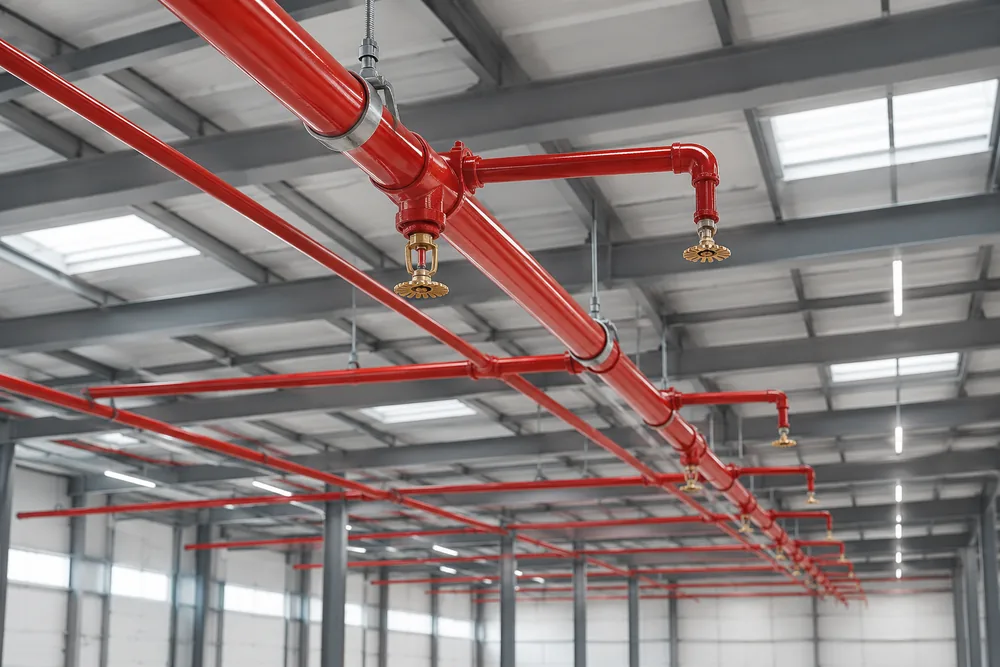
For sprinkler enquiries, provide storage details, building use and any existing water-supply information. Changing racking, stored goods or production arrangements may require technical review. Do not assume that a system installed for a previous occupier automatically provides suitable protection for a new process, different commodity or altered layout.
The Process, Step By Step
- Identify the hazard, business objective and insurer or project requirements.
- Survey the protected area, services, interfaces and available records.
- Develop the specialist design and state its assumptions and exclusions.
- Agree installation, commissioning and any controlled system downtime.
- Hand over operation, maintenance and change-control information.
Before authorising the visit, nominate a building contact who can answer questions and provide access. Agree how any inaccessible areas will be recorded and how a change to the scope will be approved. This makes the resulting report easier to use when allocating follow-up work.
What Determines A Suppression System Quote?
Protected volume or area, hazard type, system technology, water supplies, cylinders, pipework and building interfaces all affect cost. An initial equipment allowance is not a complete installed price. Ask how surveys, design calculations, enclosure testing where applicable, commissioning, ongoing maintenance and eventual replacement obligations are treated in the proposal.
Compare the written deliverables as well as the quoted total. Ask for the scope, exclusions, records and any proposed remedial items to be stated separately. You can then make a purchasing decision with a clear understanding of what has been assessed, what has been tested and what remains to be investigated.
Your Questions Answered
Is A Sprinkler System The Same As Gas Suppression?
A sprinkler system and a gaseous suppression system use different methods and have different design requirements. The hazard and protected environment determine which options should be considered. Describe the process, building layout and insurer requirements in your enquiry so that the specialist survey starts with the right technical questions and avoids an assumed solution.
Should An Existing System Be Reviewed After Changes?
An existing fire suppression system should be reviewed when changes may affect its design assumptions. Altered storage, room boundaries, ventilation or equipment can all be relevant. Provide the original records and describe the proposed change before work starts, allowing a competent specialist to identify any redesign, testing or maintenance implications.
Guidance And Related Services
Consult government workplace fire-safety guidance alongside advice for your premises. Technical design, maintenance and repair decisions need the appropriate competent specialist.
Explore fire risk assessment, fire alarm installation, fire alarm maintenance, fire extinguisher servicing, fire door inspection, emergency lighting testing. View our local coverage or send the premises details.